
Concrete Slabs
Flat concrete slabs for garages, sheds, workshops, and outdoor structures — poured right with vapor barriers, reinforcement, and control joints for DC's climate.
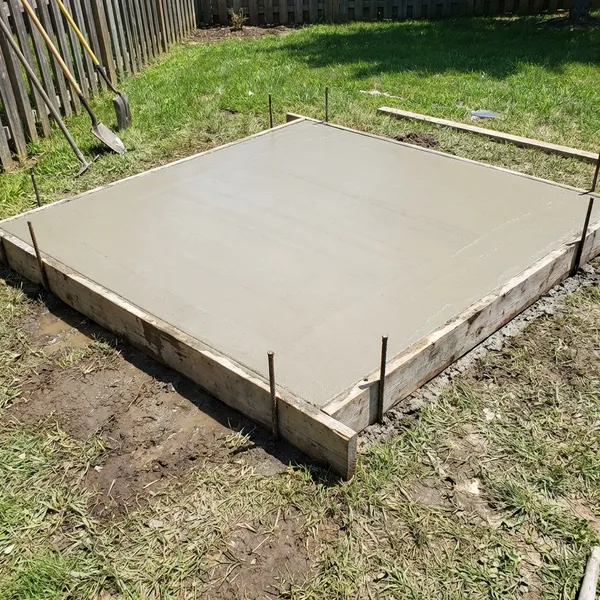
Concrete Slab Installation Done Right for DC
At DC Superior Concrete , we pour concrete slabs for garages, storage sheds, workshops, carports, pool surrounds, and utility structures throughout Washington, DC and the DMV area.
DC's humid climate creates a moisture challenge that dry-climate concrete contractors underestimate. Moisture vapor rises through the soil and migrates through a concrete slab — particularly in the DC metro's clay-heavy ground. Without a vapor barrier beneath the slab, this moisture wicks through the concrete and causes adhesive failures for flooring, efflorescence (white salt deposits), and mold growth in enclosed structures.
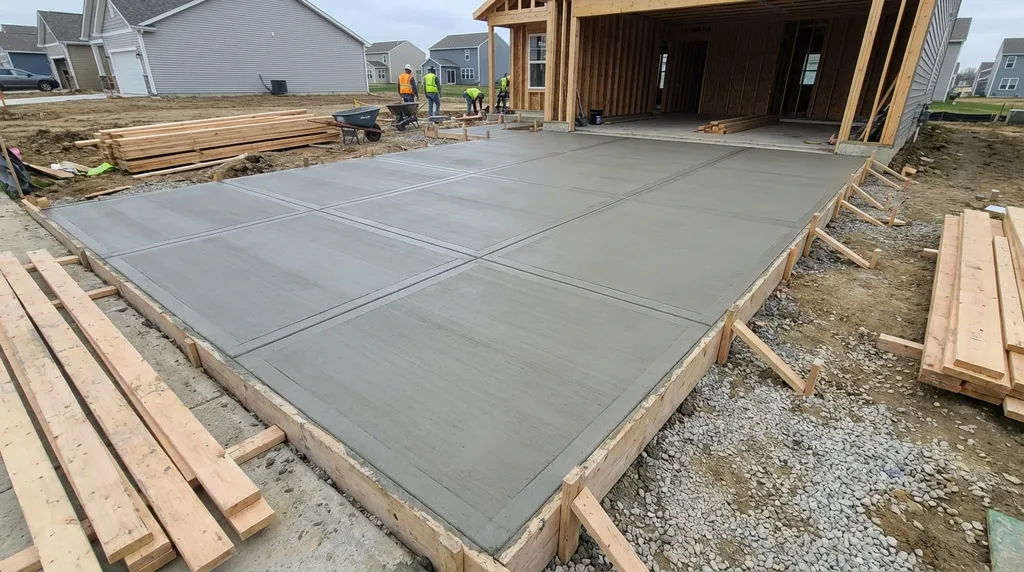
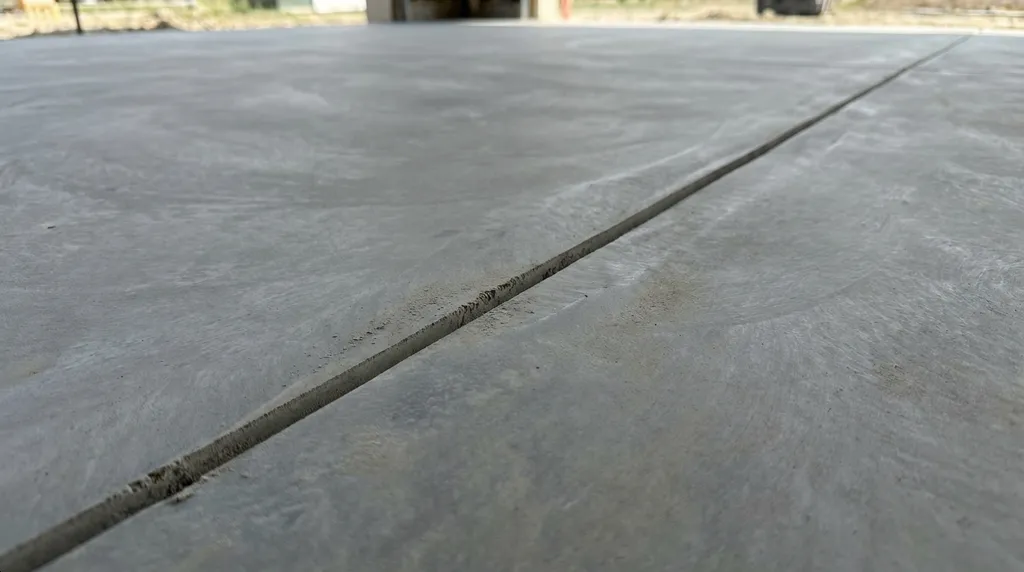
Every slab we pour in the DC area gets a 10-mil polyethylene vapor barrier on top of the compacted gravel base, beneath the concrete. Control joints are spaced at one to one-and-a-half times the slab thickness in feet — placed to direct any cracking to predictable, less visible locations rather than random surface breaks.
Why DC Slabs Need Vapor and Drainage Planning
DC Humidity and Vapor
Washington, DC averages 72% relative humidity through summer months. The clay subsoil holds moisture year-round. Without a vapor barrier, this ground moisture migrates through the slab into any structure built on it — causing flooring failures, musty conditions, and mold growth in garages and sheds.
Seasonal Soil Movement
DC's clay soils move seasonally. A slab poured directly on grade without a gravel drainage layer is bonded to that moving clay. Control joints allow the slab to flex and crack in predictable locations. We space joints correctly based on slab thickness — not random placement.
Proper Curing in DC Climate
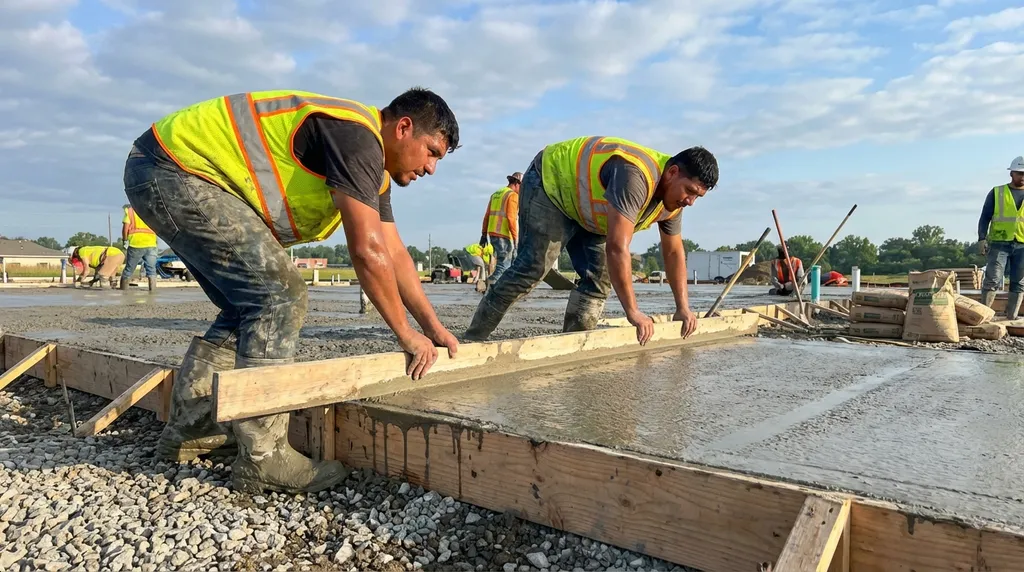
Hot DC summers accelerate concrete surface drying — which causes surface cracks if curing isn't managed. We cure slabs with wet burlap, curing blankets, or curing compound to retain moisture during the critical early strength-gain period. Cold weather pours use insulated blankets and accelerating admixtures.
What Every Concrete Slab Installation Includes
Concrete Slabs FAQ
Do I need a permit for a concrete slab in DC?
A free-standing concrete slab for a shed or storage structure under 150 square feet typically does not require a DC building permit. Garage slabs, slabs for habitable structures, and slabs attached to existing buildings usually do. We advise on permit requirements for your specific project.
How thick should a concrete slab be for a two-car garage?
Residential garage slabs should be a minimum of 4 inches thick with rebar reinforcement. If you'll be storing heavy vehicles, trailers, or utility vehicles, 5–6 inches with a stronger rebar grid is appropriate. We size reinforcement and thickness to the actual expected loads.
Can I pour concrete directly on clay soil?
Not without a gravel layer between the clay and the concrete. DC's expansive clay moves with moisture changes. A 4-inch compacted gravel base separates the slab from that movement, provides drainage, and creates a stable platform. Slabs poured directly on clay crack and settle within a few years.
How long does a concrete slab take to cure before I can use it?
Light foot traffic is safe after 24–48 hours. Vehicle traffic should wait 7 days. Full design strength (3,000 PSI) is reached at 28 days. We advise against placing heavy equipment on new slabs before the 28-day mark in DC's mid-Atlantic climate.
What finish is best for a garage slab?
A steel-trowel finish provides a smooth, dense surface that resists oil and is easy to clean — standard for garages. If you plan to apply epoxy coating, a light broom finish or mechanical prep after curing provides better adhesion than a burnished trowel finish.
Get Your Concrete Slab
Quoted Today
Free estimates for garage slabs, shed pads, carports, and utility slabs throughout Washington, DC and the DMV.