
Residential Driveways
Poured concrete driveways engineered for DC's Piedmont clay soils, freeze-thaw winters, and the deicing salt punishment that comes with city street life.
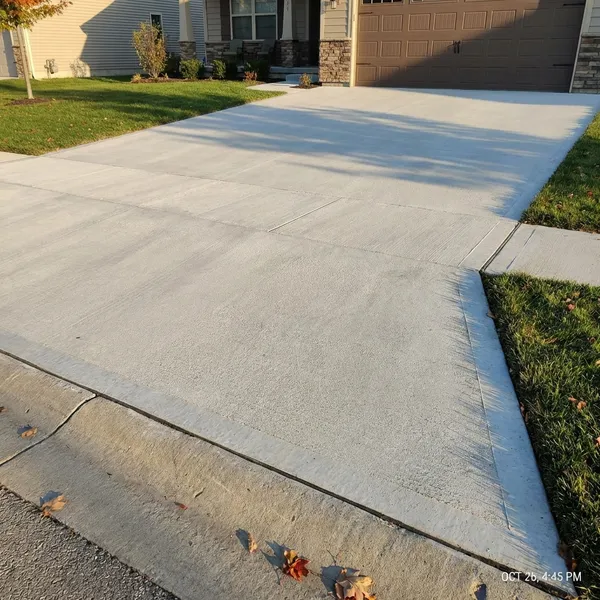
Concrete Driveways Built for DC Conditions
At DC Superior Concrete , we install residential concrete driveways across Washington, DC and the entire DMV region with a process built around the specific demands of this climate and soil.
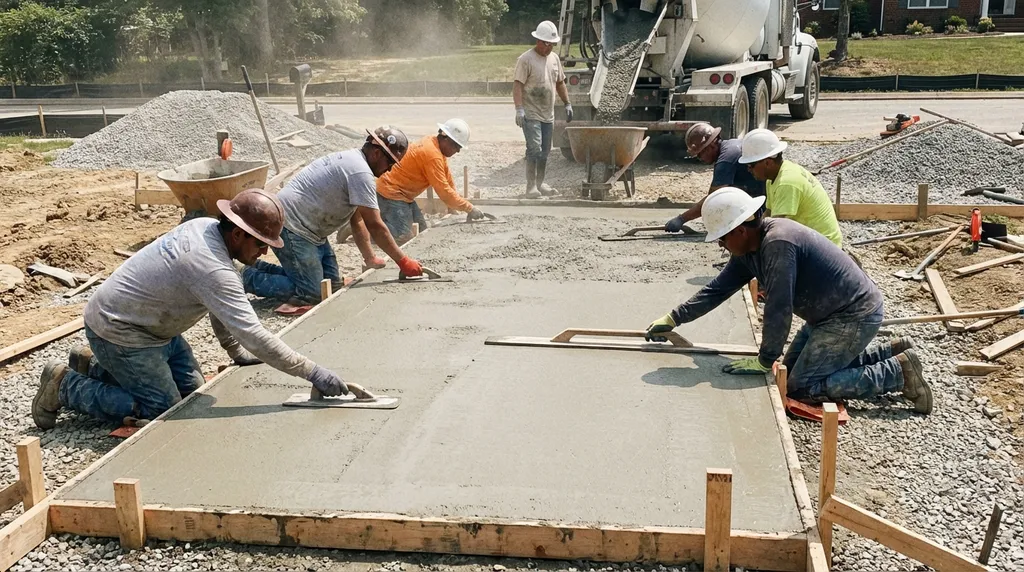
DC's underlying Piedmont clay expands when wet and shrinks when dry — a constant shifting that cracks improperly prepared driveways within two or three seasons. We excavate to depth, compact a gravel subbase that promotes drainage beneath the slab, and pour air-entrained concrete that flexes through freeze-thaw cycles without spalling from the inside out.
The deicing salt spread on DC streets and city sidewalks gets tracked onto every residential driveway in the metro area. We use concrete mixes with the right water-to-cement ratio and proper air-entrainment to resist that chemical assault year after year.
Why DC Driveways Fail Without the Right Process
Piedmont Clay Subsoil
DC sits on expansive Piedmont clay that swells with rainfall and contracts in summer drought. Without a properly drained gravel subbase, a driveway slab has nothing stable to rest on — cracking and heaving follow within years.
Freeze-Thaw Cycling
DC averages 20+ freeze-thaw cycles per winter. Water penetrates surface pores, freezes, and expands — popping the surface layer off in chunks. Air-entrained concrete provides microscopic voids that absorb freeze expansion without spalling.
Road Salt Exposure
DDOT spreads thousands of tons of deicing salt annually. That salt tracks from city streets onto private driveways, attacking the cement paste. Proper mix design and sealing are the only defenses — and we use both.
What Every Driveway Installation Includes
Driveway FAQ
How long before I can drive on a new concrete driveway in DC?
We recommend waiting 7 days before light vehicle traffic and a full 28 days before parking heavy trucks or SUVs. In DC winters, we factor in curing temperature — concrete gains strength slower in cold weather, so timing matters.
Should I seal my concrete driveway? How often?
Yes, especially in the DMV. We apply a penetrating silane-siloxane sealer after initial curing. Reapply every 2–3 years. This is the single most effective protection against road salt chemical attack on DC driveways.
My driveway has cracks — do I need a full replacement or just repair?
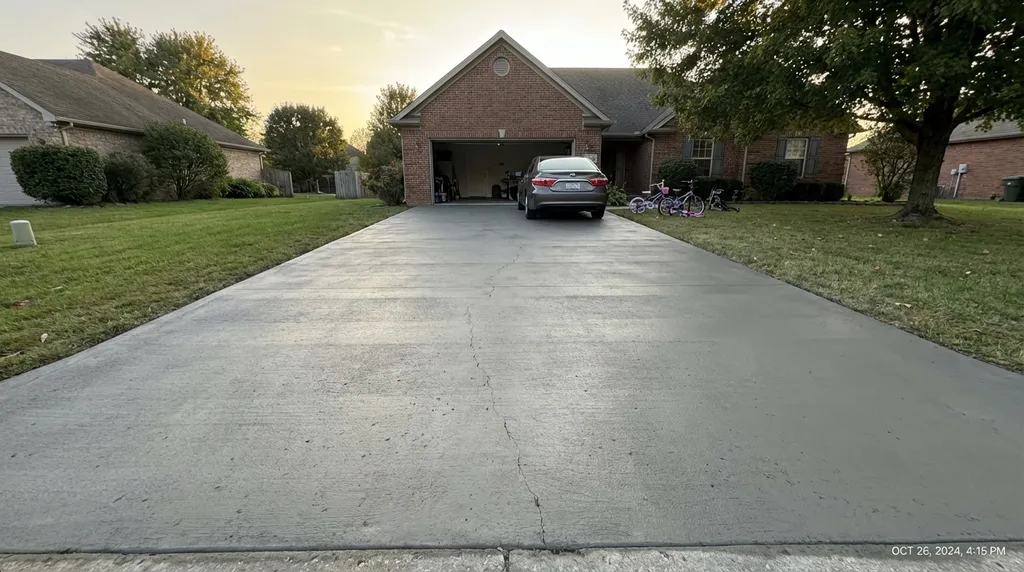
It depends on the type and cause. Hairline shrinkage cracks from initial curing are cosmetic. Structural cracks from subbase failure or frost heave, especially with vertical displacement, usually mean the subbase is gone and replacement is the better investment.
Can you match my existing driveway's width to the DC curb cut width?
Yes. DC DDOT has specific curb cut width requirements for residential driveways. We review these requirements before pouring and coordinate with your permit if a new or modified curb cut is involved.
What's the best concrete finish for a residential driveway in Washington?
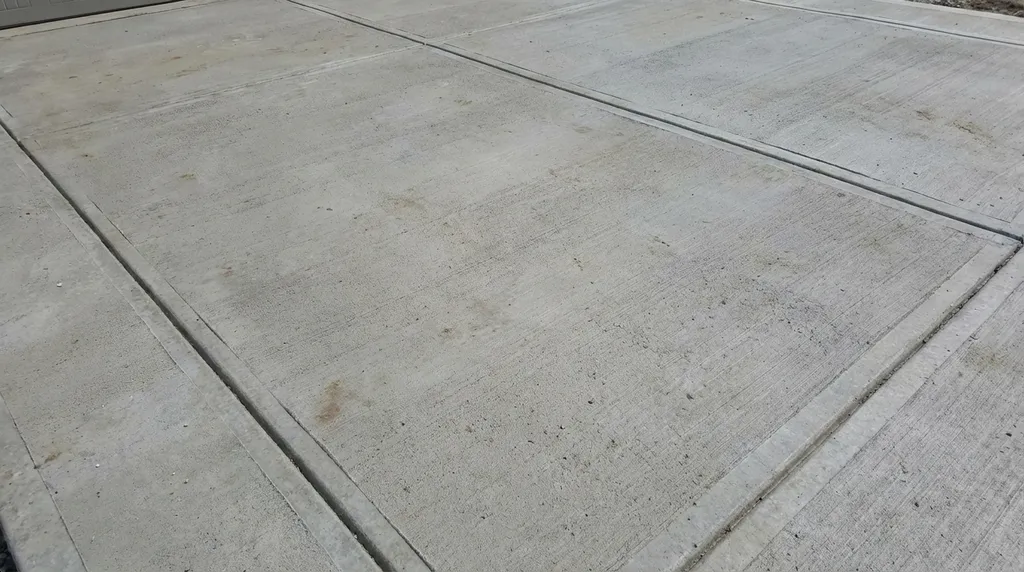
Broom finish is the DC standard — it provides traction in rain and snow without collecting debris. Exposed aggregate is excellent for slip resistance with added texture. Stamped concrete is beautiful but requires annual sealing in DC's climate.
Ready for a Driveway
That Lasts?
Get a free on-site estimate for your residential driveway in Washington, DC. No pressure. No inflated quotes. Just straight numbers.