
Exposed Aggregate Concrete
Textured, slip-resistant exposed aggregate for DC driveways, pool decks, and patios. River stone, pea gravel, or quartz aggregate — sealed every 2–3 years for DC's climate.
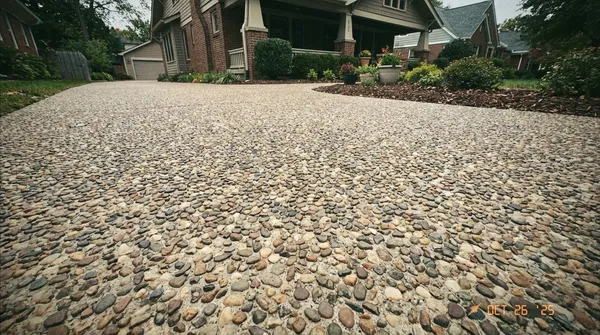
Exposed Aggregate That Blends with DC's Landscape
At DC Superior Concrete , we install exposed aggregate concrete for driveways, walkways, pool decks, and patios across Washington, DC and the DMV — using aggregate selections that complement DC's natural and architectural landscape.
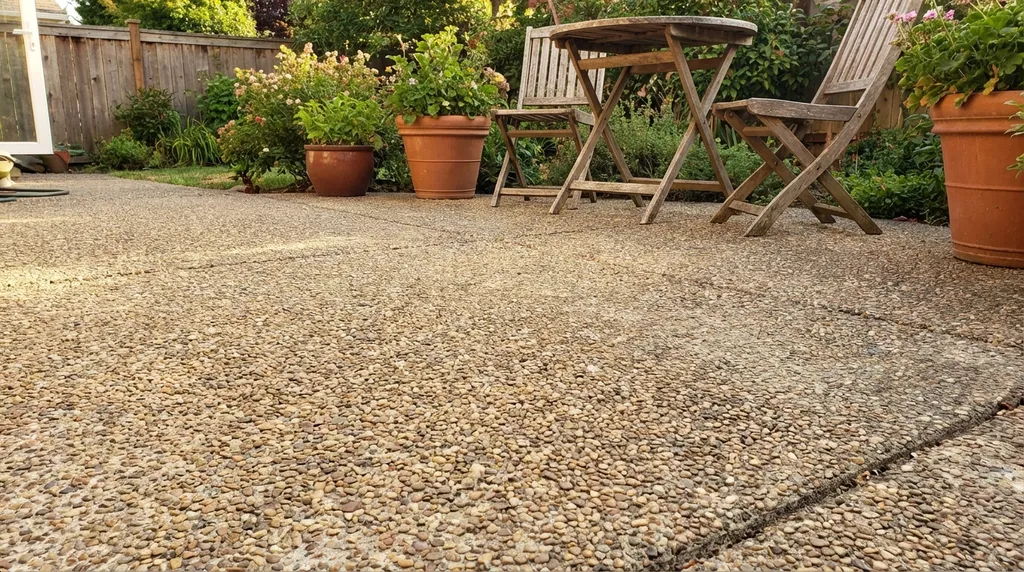
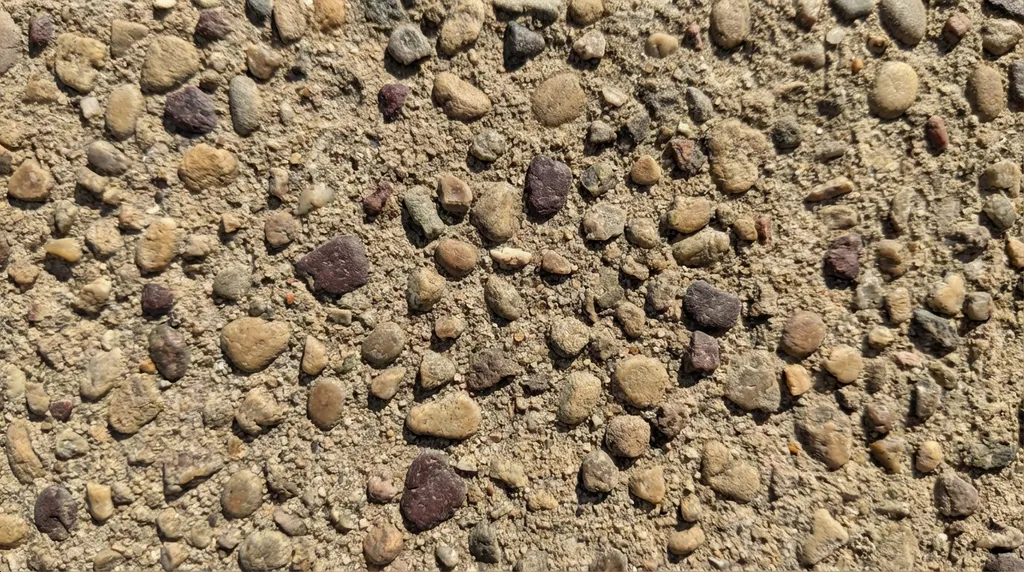
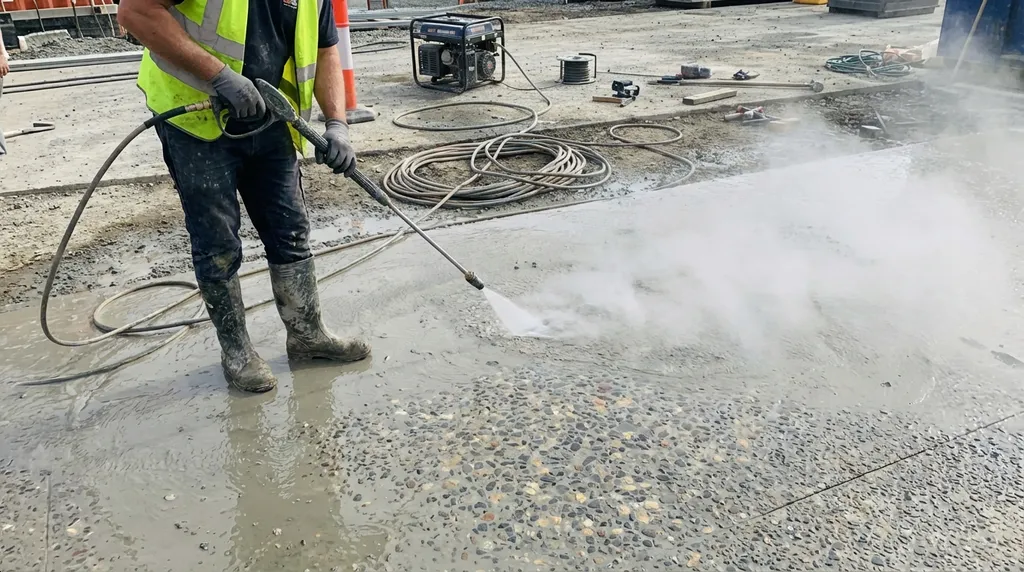
Exposed aggregate finishes are achieved by applying a surface retarder to fresh concrete, then washing away the top layer of cement paste before it fully sets — leaving the decorative aggregate beneath exposed at the surface. The result is a textured, non-slip surface that provides excellent traction in DC's frequent rain and mixes naturally into outdoor settings better than flat gray concrete.
In DC's climate, the key to long-lasting exposed aggregate is sealing. The textured surface collects water in the voids between aggregate stones. Without a sealer, freeze-thaw cycling pops aggregate loose from the cement matrix over time — the characteristic "aggregate loss" that turns exposed aggregate concrete into a rough, deteriorating surface. We seal every exposed aggregate surface and provide a 2–3 year resealing schedule.
Why Exposed Aggregate Works Well in DC
Traction in DC Rain
DC averages 40+ inches of rain annually, with significant rainfall from April through October. Exposed aggregate provides mechanical traction from the stone surface texture — unlike smooth concrete that gets slick in rain. This makes it an excellent choice for driveways, pool decks, and walkways where slip resistance matters.
Natural Aesthetic
DC's residential neighborhoods feature mature landscaping and natural materials. River stone and pea gravel aggregate blends organically into this environment — particularly in neighborhoods like Chevy Chase and Cleveland Park where the landscape character is established and traditional. Exposed aggregate doesn't shout "new concrete" the way gray broom finish does.
Freeze-Thaw and Sealing
The exposed surface collects water in the voids between aggregate stones. DC's freeze-thaw cycles can pop aggregate from the matrix if the concrete isn't sealed. A penetrating sealer applied after installation and reapplied every 2–3 years is the primary maintenance requirement that keeps exposed aggregate looking sharp for decades.
What Every Exposed Aggregate Project Includes
Exposed Aggregate FAQ
What aggregate works best for a DC driveway?
River stone in the 3/8–1/2 inch size range is the most popular in the DC area — the rounded stone shape is comfortable underfoot and provides good traction without being harsh on bare feet around pools. Pea gravel has a smoother surface and finer texture. Quartz aggregate comes in multiple colors and provides more sparkle but is harder on bare feet.
Is exposed aggregate harder to maintain than regular concrete?
The only additional maintenance requirement is resealing every 2–3 years versus every 3–5 years for plain concrete. Cleaning is slightly more involved because the textured surface traps leaves and debris more than smooth concrete. Other than those differences, exposed aggregate is as low-maintenance as standard concrete when properly installed.
My exposed aggregate driveway is losing stones — can it be repaired?
Aggregate loss on a DC driveway usually means the sealer has failed and freeze-thaw cycling has popped stones from the matrix. If the loss is scattered, resurfacing with a thin overlay and resealing can restore the appearance. Widespread loss on a structurally sound slab may require a decorative overlay rather than full replacement.
Can exposed aggregate be applied over existing concrete?
Yes, with an exposed aggregate overlay system applied to a prepared existing slab. The overlay is seeded with aggregate and the surface is washed to expose it after partial cure. Results are excellent when the existing slab is structurally sound and properly prepared. We assess existing slabs before recommending overlay vs. replacement.
How does exposed aggregate perform around pools in DC?
Exposed aggregate is one of the best pool deck surfaces for DC's climate — it provides inherent slip resistance from the stone texture and performs better thermally than smooth concrete (the exposed stone absorbs less heat than a dense concrete matrix). Pool chemistry exposure requires a sealer specifically rated for pool environments, which we specify for all pool deck applications.
Texture, Traction, and
Natural Beauty for Your DC Property
Free estimates for exposed aggregate concrete in Washington, DC, suburban Maryland, and Northern Virginia.