
Foundation Work
Poured concrete foundations engineered for DC's Piedmont clay, frost depth, and the moisture pressure that comes with Mid-Atlantic soil conditions.
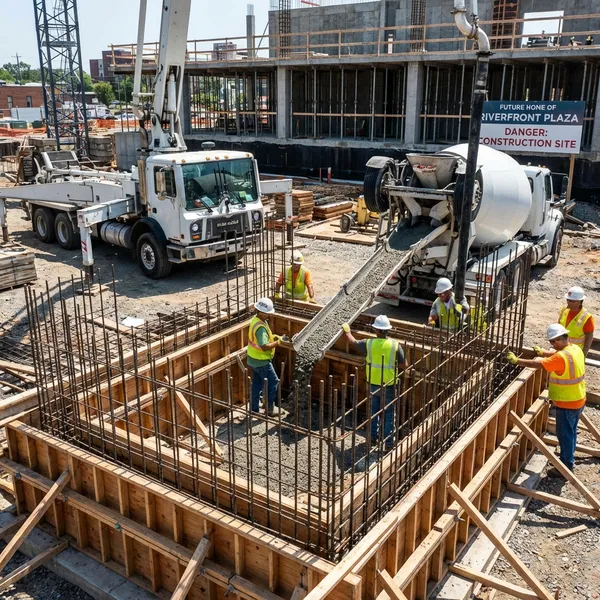
Concrete Foundation Services Built for DC Soil
At DC Superior Concrete , we install poured concrete foundations for single-family additions, new construction, accessory dwelling units, and structural repairs throughout Washington, DC and the greater DMV region.
DC's foundation conditions are defined by two forces: Piedmont clay subsoil and mid-Atlantic frost depth. The clay beneath most DC properties swells when saturated and shrinks in summer drought, placing lateral and vertical stress on any structure resting on it. DC's frost depth runs approximately 30 inches — footings must reach below that line or frost heave will move the structure.
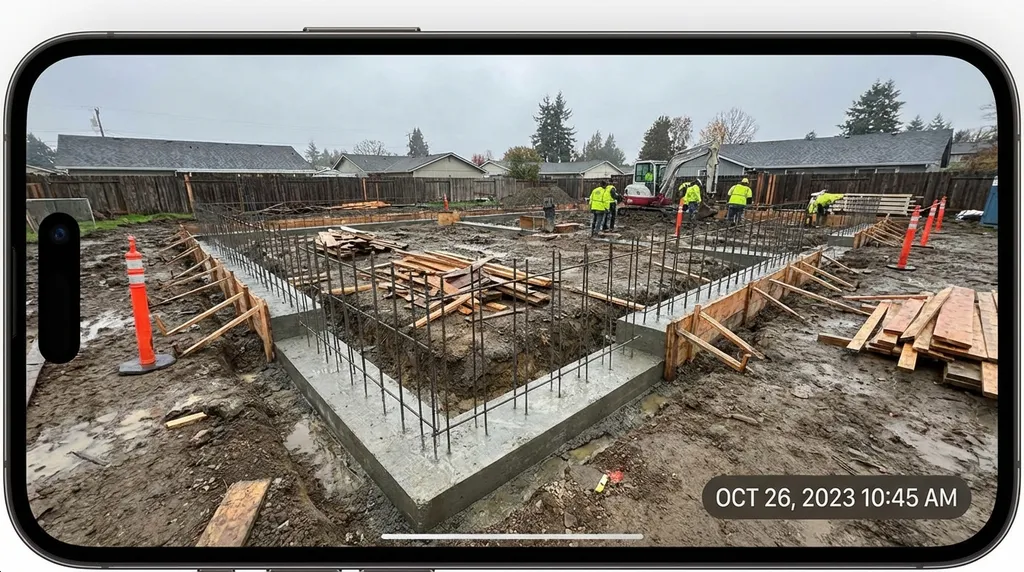
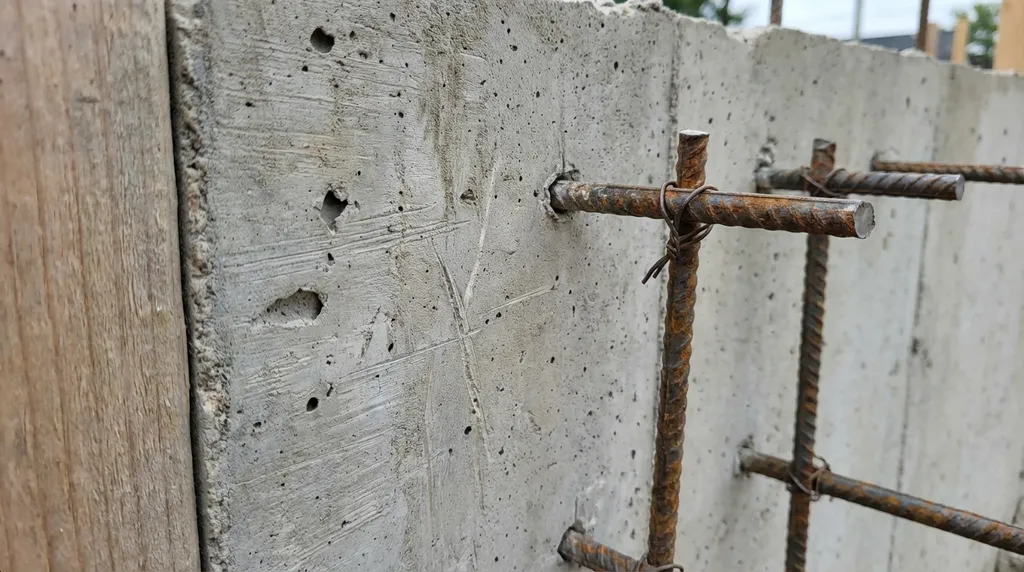
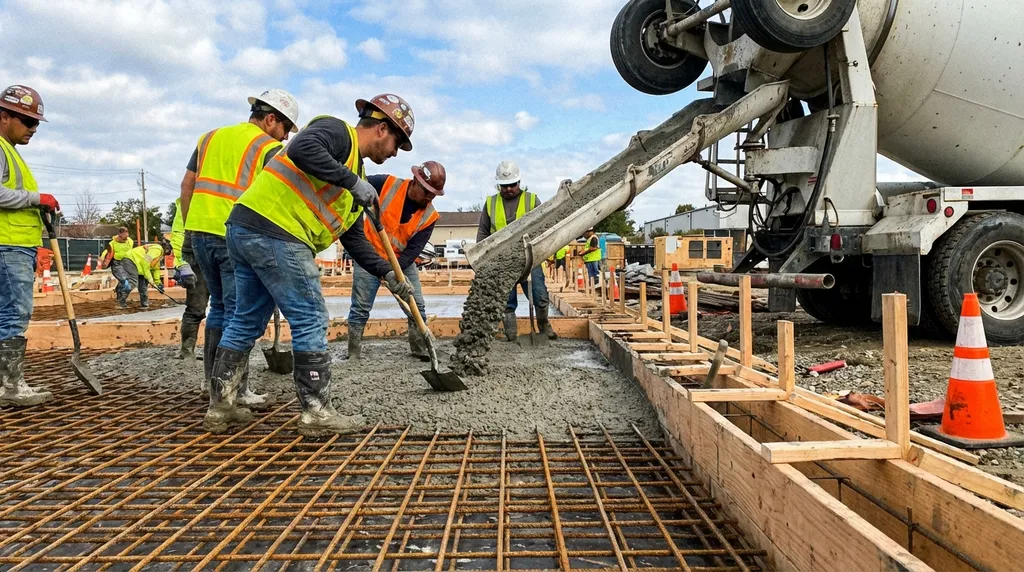
We install full basement walls, crawl space foundation walls, slab-on-grade, and strip footings. Every poured wall is reinforced, waterproofed on the exterior face, and drainboard or drainage tile is installed before backfill. Cutting corners on a foundation in DC clay is how you end up with a cracked basement wall three years in.
Why DC Foundations Require Expert Handling
Expansive Piedmont Clay
The Piedmont physiographic province underlies much of DC and the surrounding region. Its clay-heavy soils have a high plasticity index — they expand dramatically when wet and contract in drought, creating cyclical lateral pressure against foundation walls that demands proper design and waterproofing.
Frost Depth and Heave
DC winters regularly produce ground frost penetrating 24–30 inches. Footings poured above frost depth will heave — moving the structure seasonally until structural damage accumulates. Every footing we install reaches below the frost line per DC building code requirements.
Basement Waterproofing
DC averages 40+ inches of precipitation annually. Hydrostatic pressure against a poured basement wall in saturated clay is significant. Exterior dampproofing is the code minimum — we apply full membrane waterproofing plus drainage composite for complete moisture management.
What Foundation Work Includes
Foundation Work FAQ
Do I need a structural engineer for a concrete foundation in DC?
For additions to existing structures and new foundations over a certain size, DCRA requires engineered drawings. We coordinate with licensed structural engineers as needed and build to the stamped plans. Smaller accessory structures sometimes require only prescriptive code compliance.
What's the difference between dampproofing and waterproofing?
Dampproofing (spray-applied bituminous coating) resists soil moisture vapor. Full waterproofing (sheet membrane or crystalline coating) resists hydrostatic water pressure. In DC's clay soils with heavy rainfall, we recommend full waterproofing for any below-grade living space.
Can you pour a foundation in winter in DC?
Yes, with proper cold-weather concrete procedures. We use heated enclosures when necessary, accelerating admixtures, and insulating blankets during curing. We do not pour below 20°F ambient without significant cold-weather protocols in place.
How long does a poured concrete wall take to cure before backfilling?
We wait a minimum of 7 days before backfilling poured foundation walls, and ideally 14–28 days depending on wall height and lateral soil pressure. Backfilling too early before the concrete gains adequate strength is a known cause of wall blowouts in DC's clay-heavy conditions.
My foundation wall has a crack — do I need to replace it?
Most cracks are repairable. Hairline cracks and minor seepage can be addressed with injection epoxy or polyurethane foam. Structural horizontal cracks in block walls or stepped diagonal cracks indicating settlement require engineering assessment and potentially underpinning. We inspect and give you an honest recommendation.
Start With a Solid
Foundation
Get a free estimate for your DC foundation project. We review plans, assess site conditions, and provide straight pricing — no hidden charges.