
Retaining Walls
Engineered concrete retaining walls for DC's hilly terrain and expansive clay soils. Proper footings, weep holes, and gravel drainage backfill — built to hold.
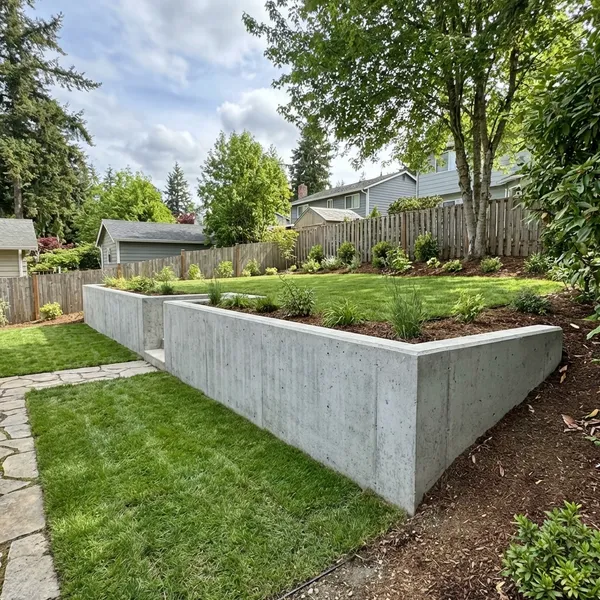
Concrete Retaining Walls Engineered for DC Terrain
At DC Superior Concrete , we engineer and build poured concrete retaining walls for residential and commercial properties throughout Washington, DC and the surrounding DMV region — from the hilly streets of Cleveland Park to sloped yards in Arlington and the Chevy Chase ridge.
DC's topography creates real grade-change problems. Properties on slopes in neighborhoods like Tenleytown, Woodley Park, and upper Northwest deal with soil erosion, water diversion, and grade changes that compromise usable yard space and threaten structures downhill. A properly engineered retaining wall converts that problem into a functional landscape feature.
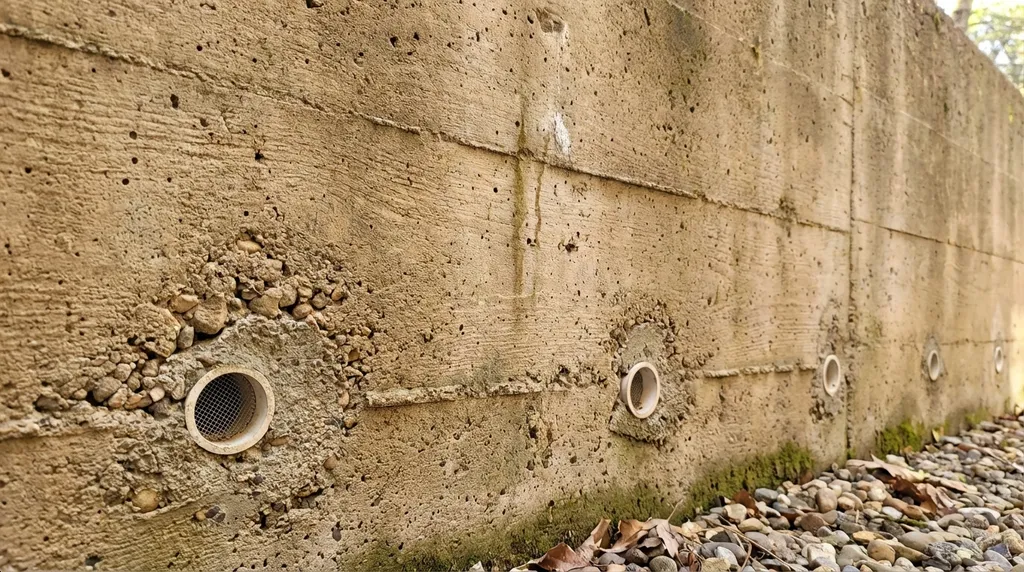
The failure mode for most DIY or poorly built retaining walls in DC is the same: no drainage relief behind the wall. Saturated clay builds hydrostatic pressure that pushes block walls over and cracks poured walls at the base. We install gravel backfill and weep holes so the pressure never builds in the first place.
Why DC Retaining Walls Need Proper Engineering
Clay Hydrostatic Pressure
DC's Piedmont clay holds water. After heavy rain — which the DC area gets regularly — saturated clay behind a wall with no drainage outlet creates enormous hydrostatic pressure. Improperly drained walls don't crack slowly; they fail suddenly when pressure peaks.
Freeze-Thaw at the Footing
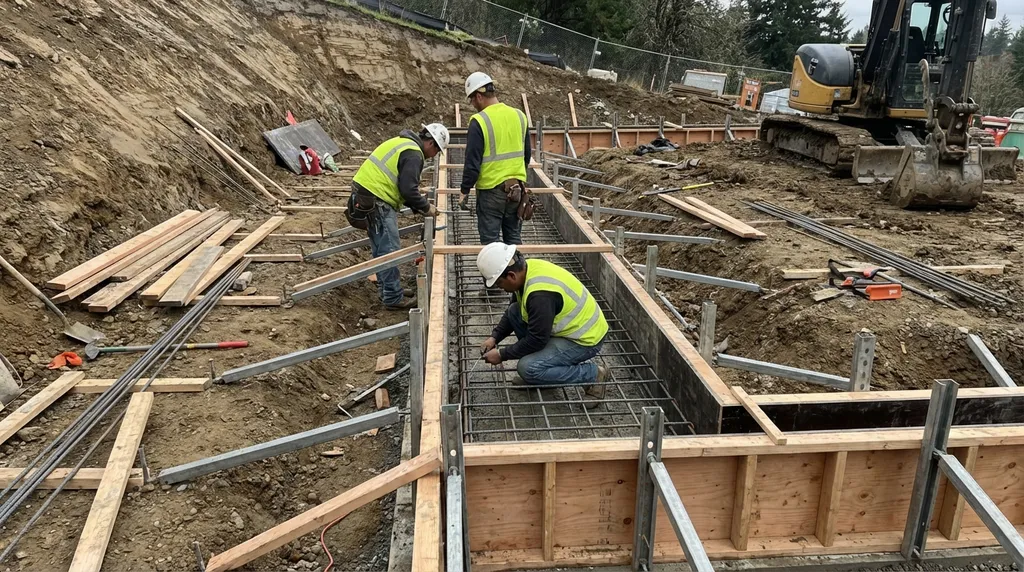
Retaining wall footings in DC must reach below the 30-inch frost depth. Shallow footings frost-heave, tilting the wall toward the road with each winter cycle. We set all footings below frost depth and design for the actual soil bearing capacity at the site.
DC Permit Requirements
In DC, retaining walls over 4 feet in height require a DCRA building permit and typically engineered drawings. Walls adjacent to the public right-of-way may require DDOT review. We manage the permit process and build to stamped plans when required.
What Every Retaining Wall Project Includes
Retaining Wall FAQ
Poured concrete vs. block retaining walls — which is better for DC?
Poured concrete walls are structurally superior for taller applications and sites with significant hydrostatic pressure. Block walls (segmental retaining walls) work well for lower applications with proper drainage but are more susceptible to frost heave if improperly installed. For walls over 3 feet in DC's clay conditions, poured concrete is our recommendation.
My existing retaining wall is leaning — can it be repaired?
A leaning retaining wall is a drainage failure waiting to become a collapse. Tiebacks can stabilize walls that haven't failed yet, but the root cause — hydrostatic pressure from inadequate drainage — must be corrected. We assess whether repair or replacement is the better path.
Do I need a permit for a retaining wall on my DC property?
DC requires a building permit for retaining walls over 4 feet in height. Walls that support a structure or driveway surcharge may require permits at lower heights. We advise on permit requirements before the project starts and submit applications on your behalf.
Can a retaining wall also be decorative?
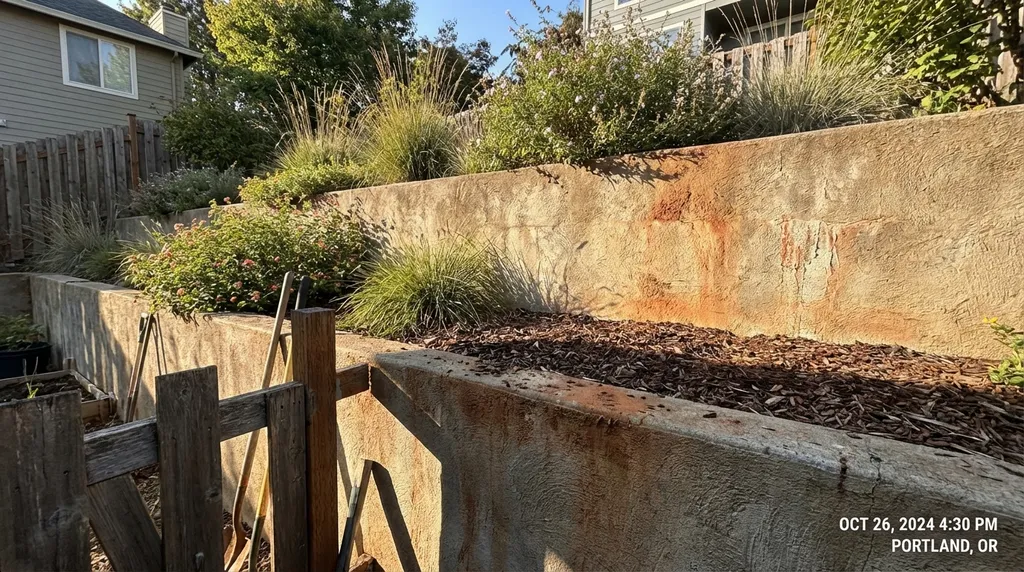
Absolutely. We can form and stamp the exposed face of a poured wall to simulate natural stone, brick, or other textures. Structural requirements don't change — but the wall can look intentional rather than industrial.
How close to my property line can a retaining wall be built?
DC setback rules apply to retaining walls. In many residential zones, walls can be built to or near the property line. However, walls adjacent to a neighbor's property must not divert water onto their land, and coordination with neighbors is often necessary. We walk the site and advise on setback compliance before design.
Fix the Grade.
Build the Wall.
Free on-site assessment for retaining wall projects across Washington, DC, Arlington, Bethesda, and the greater DMV area.